Pre ukladanie filtrov sa prosím prihláste.
Počet výsledkov: 11
Extreme situations demand speed: researchers at the Paul Scherrer Institute PSI have developed a new computational method that makes it possible to identify radioactive material from the air more accurately within seconds and to determine its quantity and location more precisely. This significantly…
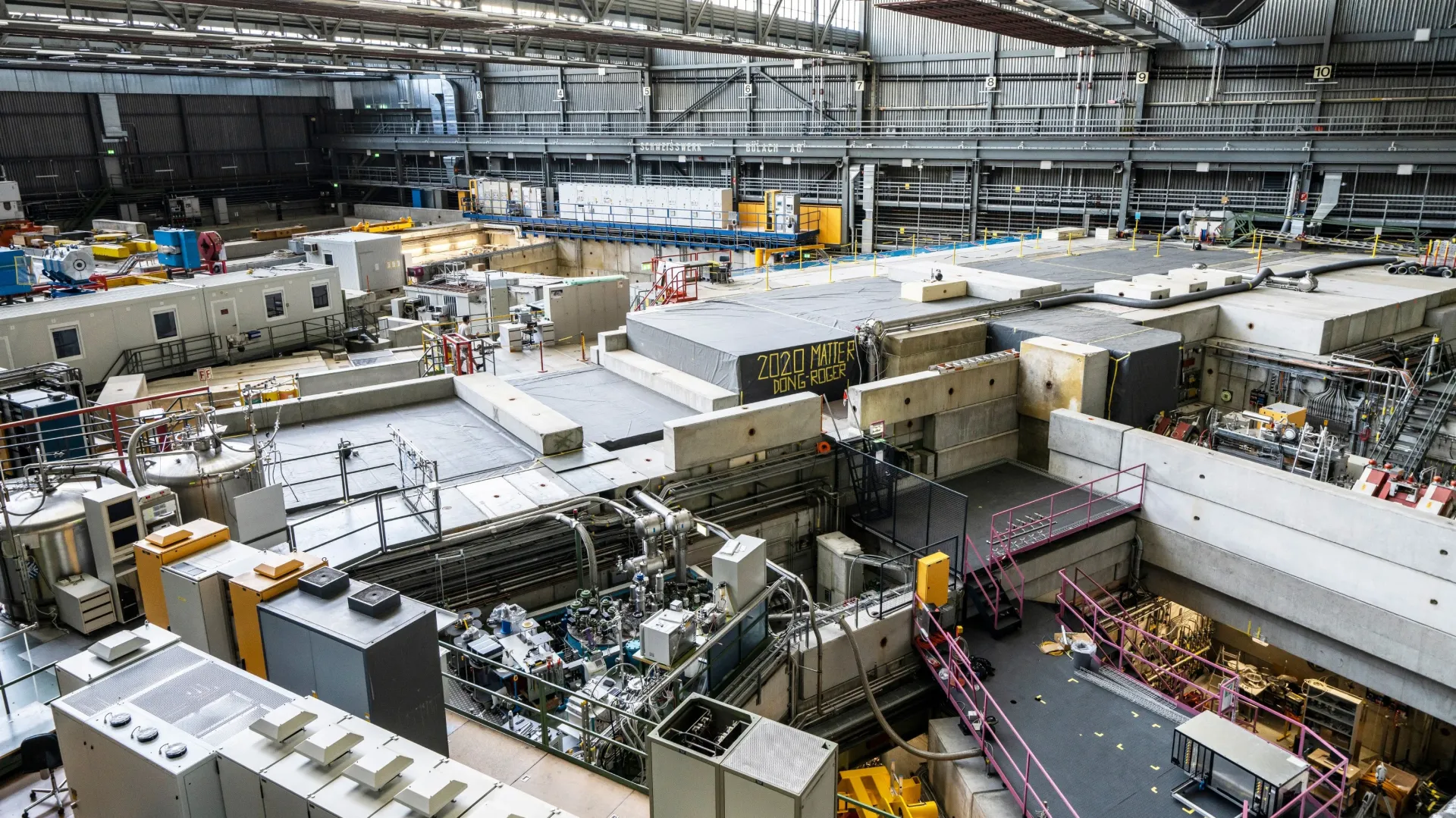
The Paul Scherrer Institute PSI operates the federal collection facility for radioactive waste in accordance with the Swiss Radiation Protection Ordinance. In the coming years, a new building for this purpose will be realised on the PSI campus. The project, named SamBA, began in 2023; the new…
In solids, different types of excitations can affect each other. Using a new experimental technique at the X-ray free-electron laser SwissFEL, a team at Paul Scherrer Institute PSI has now been able to uncover the interplay between electronic, magnetic, and lattice excitations. This understanding…
The future begins in the laboratory. Researchers at the Paul Scherrer Institute PSI are working on technologies to accelerate the energy transition, with a view to reconciling climate protection with security of supply. PSI is using science and innovation to meet one of the greatest challenges…
Researchers at the Paul Scherrer Institute PSI have been examining the cladding tubes of nuclear reactor fuel rods using a new 3D imaging technique. They were able to determine with extremely high precision how the quality of the cladding changes over time as a result of corrosion and radiation…
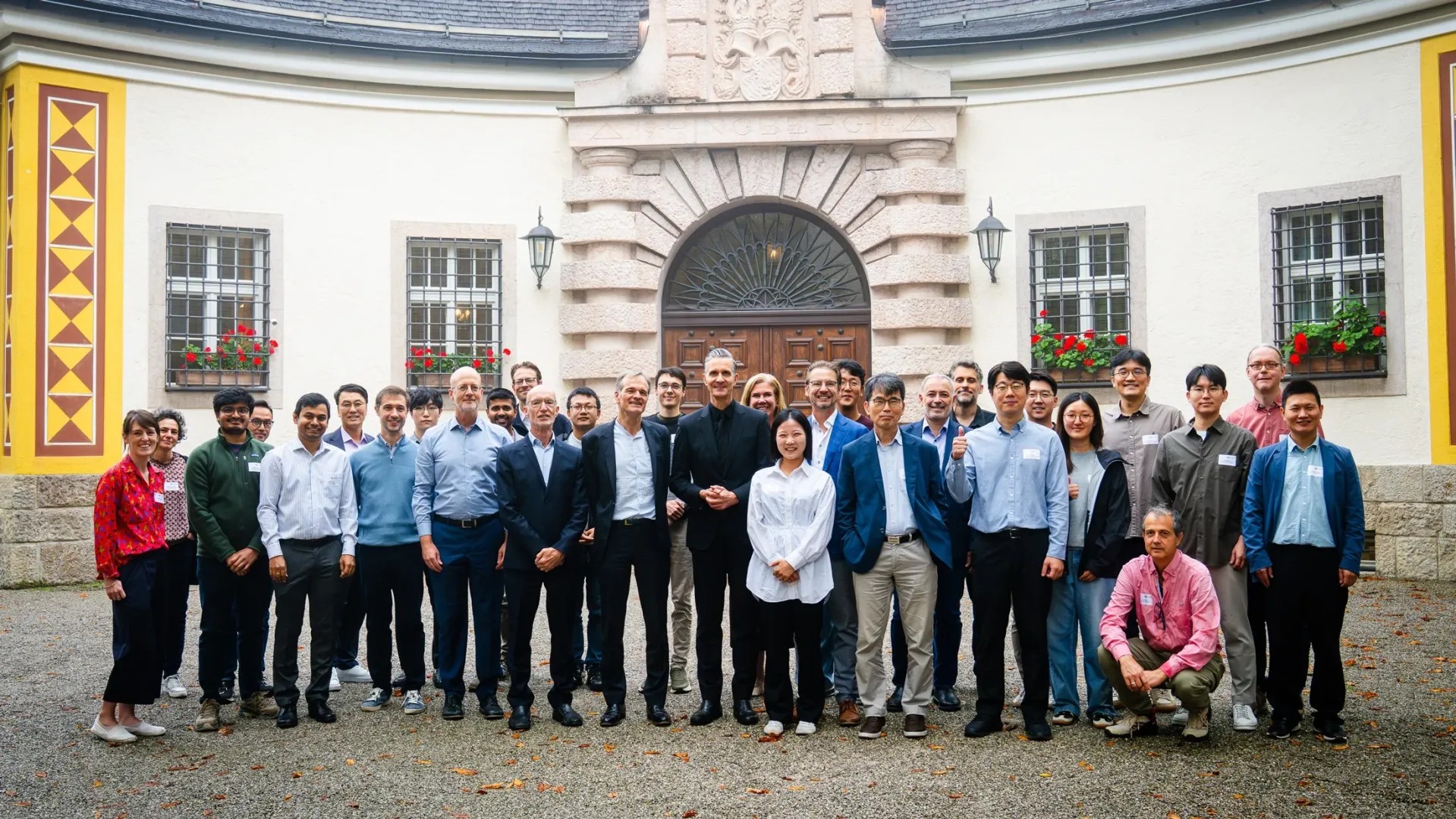
An international research partnership uniting leading institutions from Germany, Korea and Switzerland to advance the frontiers of quantum spintronics
Researchers at the Paul Scherrer Institute PSI and ETH Zurich have produced an intense, cold beam of exotic atoms. They aim to use this to test a fundamental principle of Einstein’s theory of gravity – the universality of free fall.
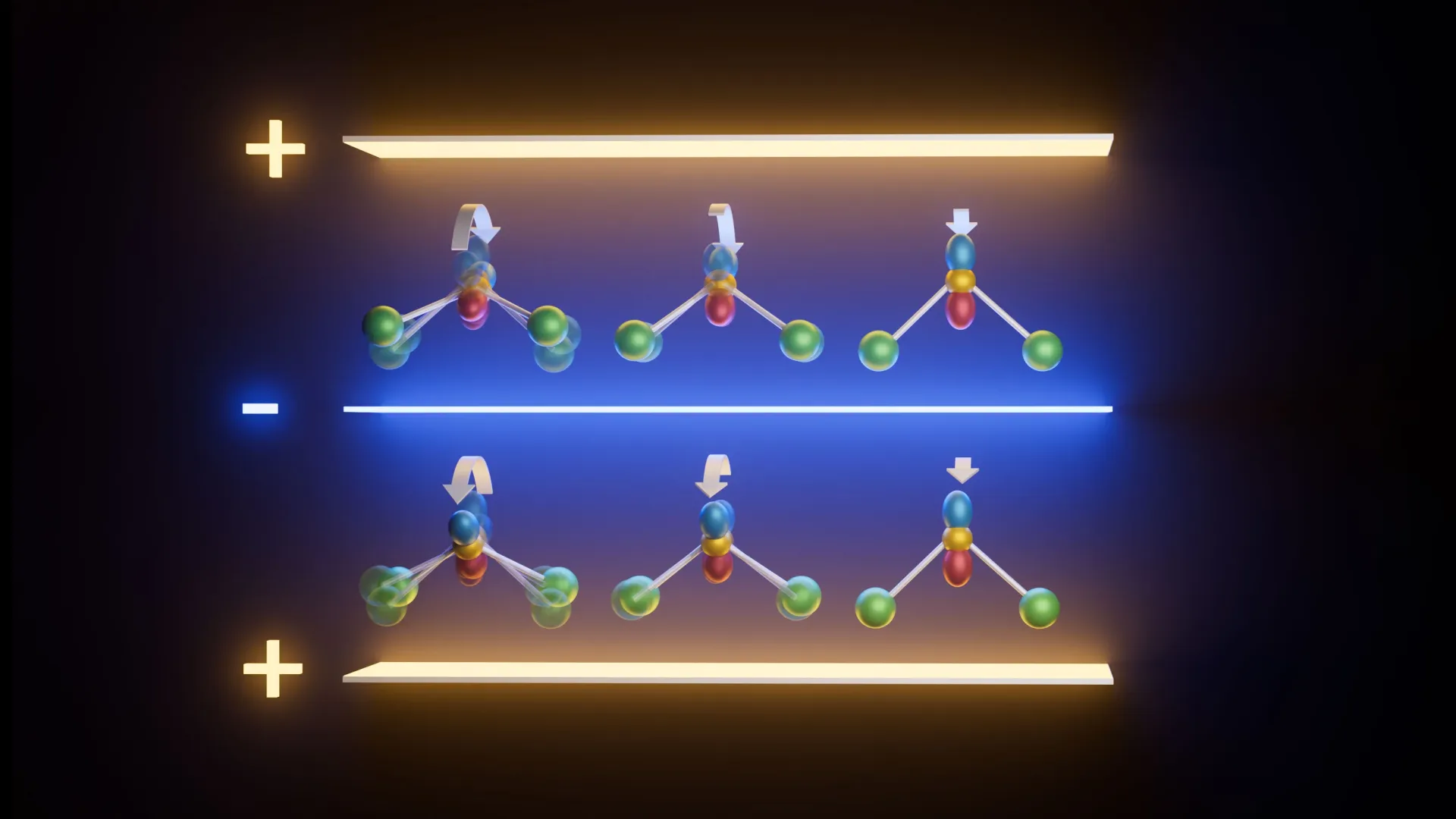
Scientists from Paul Scherrer Institute PSI have used an electric field to reverse the handedness of atomic vibrations known as chiral phonons. Chiral phonons link magnetism with atomic motion. The ability to control them opens new possibilities for phonon-based information technologies.
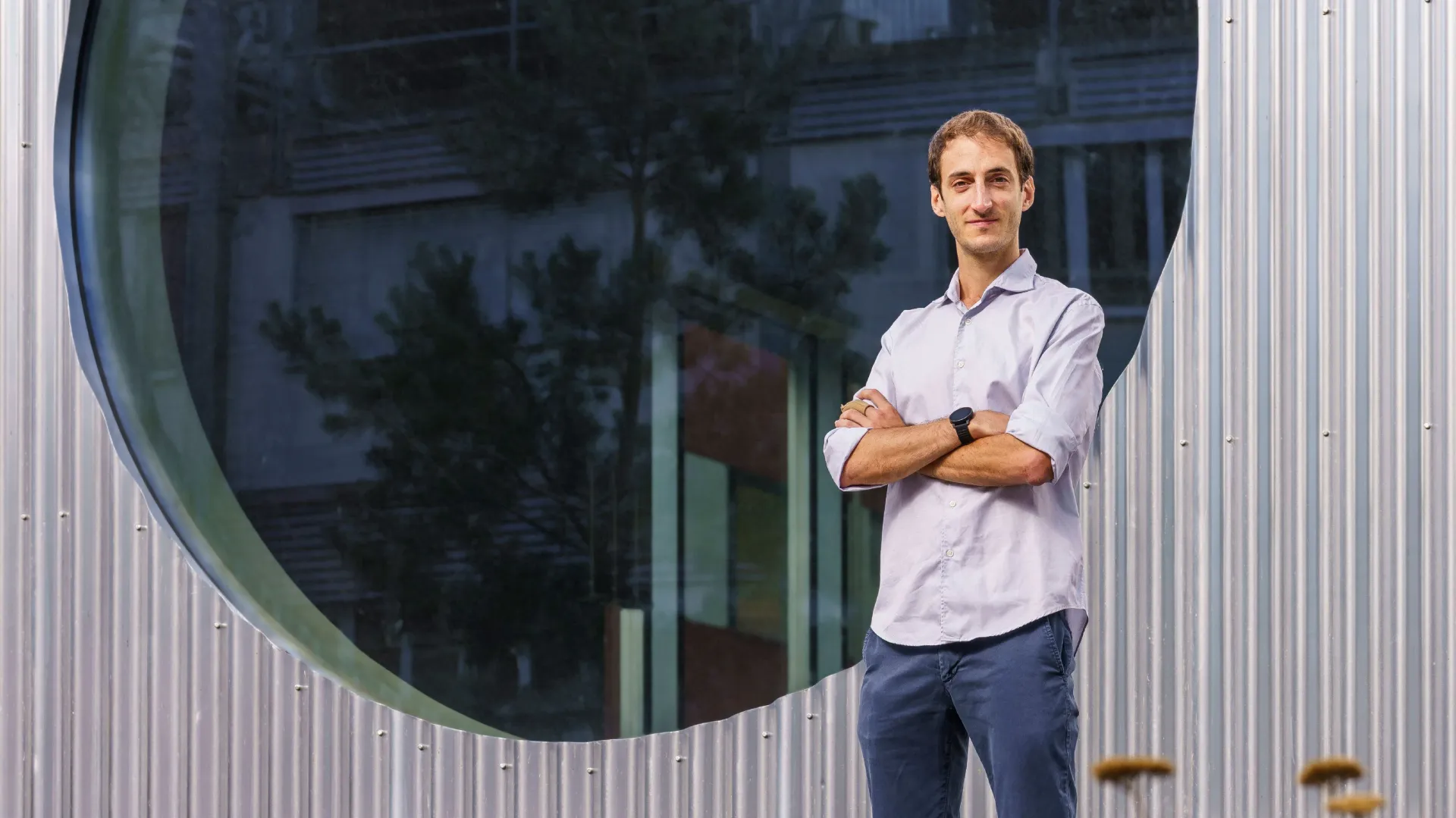
Giacomo Sala is combining two previously separate disciplines of physics: the established field of spintronics and the emerging field of quantum geometry. His Q-GEOMSPIN project at the Paul Scherrer Institute PSI could pave the way for more efficient data storage – and is now being funded with…
Researchers at the Paul Scherrer Institute PSI, ETH Zurich and the University of Amsterdam have directly observed the optical Magnus effect for the first time. This phenomenon is the optical counterpart of an effect from classical mechanics. It is relevant to quantum computing because it can…