NHS reform and the future of the health service
Health and Social Care Secretary Wes Streeting outlined a bold, long‑term reform agenda for the NHS, built on a 10‑year plan to rebuild the service by shifting care from hospital to community, moving from analogue to digital, and focusing on prevention, while cutting bureaucracy and empowering frontline staff. He cited progress and investment—falling waiting lists, record GP recruitment, improved A&E performance and patient satisfaction, plus £26 billion for the NHS and £4.6 billion for social care—along with reforms such as performance‑based pay and expanded mental health and dental services. The plan includes an intensive recovery programme for the worst‑performing providers, expansion of neighbourhood health centres, GP contract reform, and broader moves toward integrated care boards and health devolution deals with two Mayors. He also highlighted digital and patient‑empowerment initiatives, including an NHS App with more users than Netflix, NHS Online to deliver millions of appointments, and patient‑powered funding and choices to drive improvements.
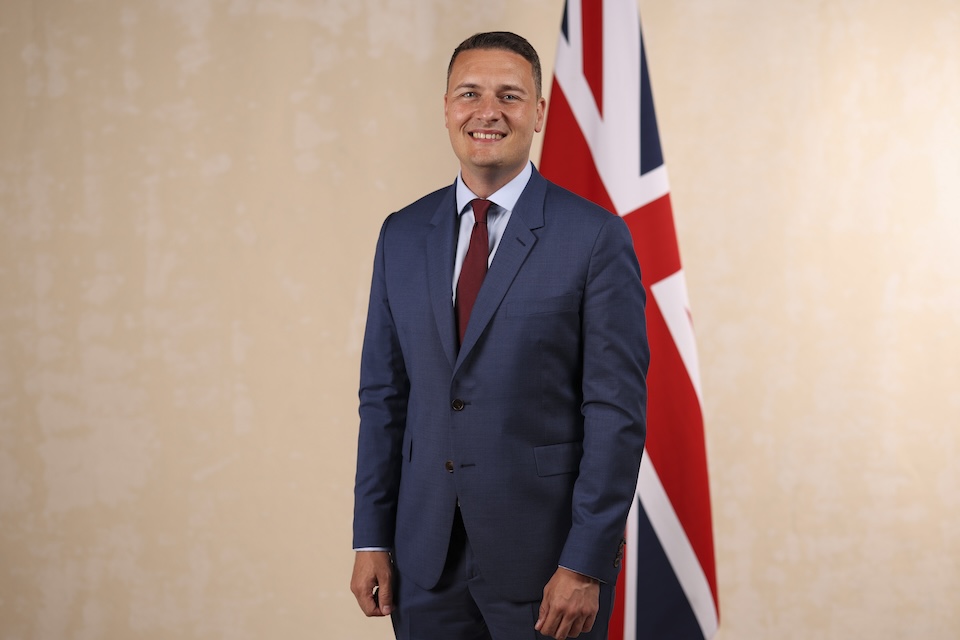
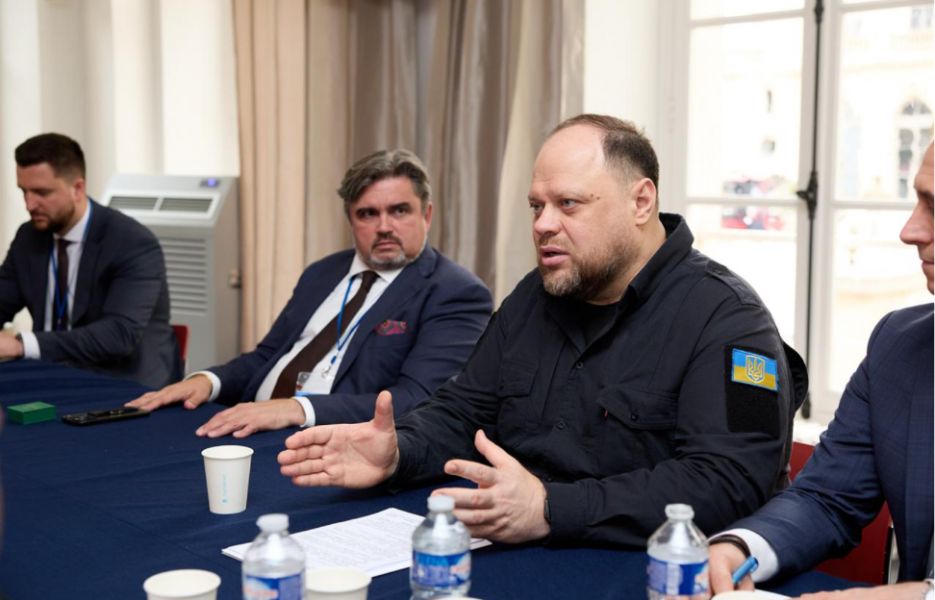
Health and Social Care Secretary, Wes Streeting spoke in London today on the steps being taken to reform the health service.
Thank you for welcoming us back to the University of East London, which, as we’ve heard, has got a very strong story of its own to tell.
There’s a story being told about our country, a story being repeated so often it risks becoming accepted as truth, that politics no longer works, that government cannot deliver, that public institutions are in impermanent decline, and that the big challenges of our time are beyond our power to solve.
And from that story comes something that is even more corrosive. A quiet, creeping cynicism, a loss of faith, not just in politicians, but in the very idea that collective action can’t improve our lives. This is a dangerous place for our country to be in, a dangerous place for any democracy to be in. Because when we stop believing that change is possible, we stop demanding it. When we stop demanding it, we stop achieving it. And when that happens, decline doesn’t just continue, it accelerates.
It is the biggest fear I have as a member of this government. That cynicism might give way to fatalism and a sense of the inevitability of decline. The NHS stands as the greatest expression of our country’s values and the virtue of collective action. An institution, born out of a simple but radical conviction, that the people of our country should receive the care they need, not just the care they can afford.
A powerful promise, founded on fairness, that whoever you are, whatever your background, whatever your income, when you fall ill, you will never have to worry about the bill. It is with this in mind that I have felt a particular responsibility resting on my shoulders as our country’s Health and Social Care Secretary. Not just the responsibility to rebuild the greatest institution this country has ever built. But to give this country a sense of hope, optimism, and confidence based on experience.
Because in today’s day and age, the only change we can believe in is the change we experience. I stand here today, just 20 months into this job, as the longest serving of the last five Secretaries of State for Health.
[POLITICAL CONTENT REMOVED]
The NHS is in a better state today than I found it, and I’m just getting started. For the first time in 15 years, waiting lists are falling, down by 374,000 since this government came to power, and the lowest for around three years.
We achieved the best four-hour waiting times in A&E for four years in this winter. Ambulance response times for suspected heart attack and stroke victims are the best they’ve been for half a decade. Patient satisfaction with access to General Practice has risen from around 60% when this government came to office to around 77% today. Staff retention is the best we’ve seen at any point during the last decade outside of the pandemic.
We’re also keeping our promises. We promised an extra 1,000 GPs in our first year. We delivered an extra 2,000. We said we would recruit an extra 8,500 mental health staff over five years. We’ve nearly hit that number already, and over 900,000 more children and young people now have access to an NHS funded mental health support team in schools.
We said we’d deliver 700,000 more NHS dentistry appointments. We delivered an extra 1.8 million appointment in the first half of this year. We’re passing three bills into law, reforming the Mental Health Act, creating the first smoke free generation, and prioritising UK graduates for medical training places. And as well as investing an additional £26 billion into the NHS, we’re investing an extra £4.6 billion into social care by the end of this Parliament. The first ever fair pay agreement for care workers backed by half a billion pounds. And the biggest expansion of carers allowance since the 1970s.
People are beginning to feel that change. Today’s British social attitude survey shows a six-percentage point increase in satisfaction, and an eight-percentage point decrease in dissatisfaction. The biggest fall since 1998. Dissatisfaction with social care has also fallen by four-percentage points, and we’ve achieved all of this at the same time as confronting higher levels of demand, industrial action by resident doctors, and the perennial challenge of what Harold Macmillan once described as events, dear boy, events.
We’ve done so at the same time as living within our means. In opposition, I criticised the begging bowl culture that led to poor financial grip because of the working assumption, based on experience, that the Treasury would always cough up more because it’s for the NHS. Well, this is the first year in almost a decade where we haven’t asked the Chancellor for more. We’re also demonstrating to the Chancellor and to you, the public, that we’re spending your taxes more wisely.
Yes, we’re making good use of the additional £26 billion, but we’re also making all of the money we receive go further. Our productivity target was 2%. We delivered 2.7%. And all of this taken together, the improvement in performance, the rising patient satisfaction, our better use of taxpayers’ money, our grounds for optimism, but not cause for complacency. When I’m on the telly or radio, as I was this morning, or increasingly recording clips for socials, with real, evidenced, tangible proof of improvement, like falling waiting lists, I can almost hear millions of people shouting at the telly.
And I’m dare to read the comments and mentions, crying in the polite cases, what are you on about? But two things are true at the same time. The NHS is improving, but it’s still nowhere near good enough. Take Queen’s Hospital in Romford, not far from here. As seen on TV, because when hospital corridors were full of trollies this winter, the broadcasters, understandably, chose the hospital of the Health Secretary to exemplify the national crisis.
Last Friday, I was back there, no cameras in sight, aside from my own. I walked the same corridors I did in January. But this time, the corridors were empty, and no, not because they’d been pushed into the car park, as one wag on social media suggested. And anyone who knows Queen’s Hospital know it is hard enough to get a parking space in the multistorey car park, let alone fill it with trollies.
The truth is that the Trust leadership, with their clinical teams, changed their model of care. They put a senior consultant on the front door of the A&E to make swift triaging decisions, sending frail, elderly people who needed care, but not A&E, into the frailty same day emergency care centre. They worked with the London Ambulance Service and community teams to get people the right care at home.
And as a result, 12-hour waits are down, 10,000 corridor hours were saved in February alone, and the corridors were empty, aside from one chap, who was about to be wheeled in for a scan. Now, that is amazing progress, a real credit to the staff at Queens. And it is absolutely no comfort to a friend of mine who sent me a picture of her 86 year old dad on a bed, in a corridor, by a vending machine, on the other side of the country, suffering with Parkinson’s, a small bleed on the brain, with no water, no buzzer, and no dignity.
Glad to see this can be done, said, my friend, seeing the images I had posted from Queens. I had the opposite experience with my dad this weekend, and how that image of Mike is etched in my mind as I recount that story now, and it is in that context that I address you today, not just as the politician, responsible for leading our NHS and social care services, but as a person, who feels an obligation to my family and friends, and to yours, to get this right.
Proud of our progress, but honest about where we continue to fall short, often ashamed when confronted with the reality of an NHS that still isn’t there for people when they need it, every time. I’m asking you to do just about the most radical thing that anyone can do in Britain today, to believe again, to believe that the NHS can be better than today, to believe that the NHS will be better than today.
Not through the triumph of hope over experience, but hope built on experience. Because the NHS today is better than it was when we came to power, and it will be better in the coming years, because of the choices we are making, and a plan that is working. Let me explain how and why I believe that to be true.
I said on day one that the NHS was broken, because it was. And if the NHS was our national religion, then it needed a reformation, not more devotion. I walked into the Department of Health and Social Care with a clear plan, not just a bold statement. That started with Lord Darzi’s investigation, because you can’t prescribe the treatment until you have an accurate diagnosis. He left us with a stark but simple choice. Do nothing and leave the NHS to die, or modernise it to make it fit for the future. Based on that diagnostic, we wrote our prescription.
Our 10 Year Plan for health, built on hundreds of thousands of contributions from the public, patients, and professionals. It set out the radical transformation required to rebuild our NHS, three big shifts in provision of healthcare, from hospital to community, from analogue to digital, from sickness to prevention. And major reforms in how the NHS is run, removing unnecessary layers of bureaucracy, ending the culture of micromanagement, and directing resources and responsibility down to the front line. The progress we’ve made wasn’t by accident or by chance, or because the NHS has a natural predisposition towards self-improvement.
The lesson of success after 1997 and post 2024 is that it’s investment and modernisation that delivers results. Take waiting lists. Yes, we’ve invested. We’re delivering record levels of activity to bring them down. But we’re also modernising by expanding access to care with more appointments in the evenings and at weekends through community diagnostic centres. Getting patients seen sooner and their tests and scans done quicker, at times and places that suit them.
We sent crack teams of top clinicians to hospitals around the country where the highest numbers of people are off work, sick, to help them cut waiting lists faster, using high intensity theatre lists that run like Formula 1 pit stops, getting more patients through, and more bang for the buck at the same time. Getting people not just back to health, but back to work. Hundreds of thousands more patients have avoided waiting lists altogether, thanks to support from GPs to get advice from specialist services instead, like dieticians, physios, and sexual health experts, making sure patients get the right care in the right place at the right time.
Sometimes it’s not about money or process. It’s about mindset. Under our predecessors, there was an acceptance that when doctors go on strike, planned operations just get cancelled, as if these were pain free, consequence free cancellations for patients. We didn’t accept that. And we made the safety case for maintaining planned care, keeping 95% of activity going even during strikes. We also promised to make it easier to get a GP appointment, and it is.
We’re ending the 8am scramble by opening up online access during core hours so that patients can reach their GP more quickly and conveniently. More flexible funding meant we could stem GP unemployment, recruit thousands more. And, in fact, we now have the highest number of GPs on record. And more clinicians mean more appointments and shorter waits. By cutting unnecessary targets for GPs, we’ve also freed them up to spend less time on paperwork and more time with patients. No wonder patient satisfaction with GPs has risen. We also said we would bring accountability, and we have. We published new NHS League tables, not to name and shame, but to confront the challenges we all face with grown up honesty. We’ve also started phasing out the multibillion-pound bailout fund that created a culture of rewards for financial failure.
We wasted no time in exposing the serious failure of the Care Quality Commission, and are turning it around so that it can ensure that care is safe and consistently high quality. Finally, we said we would reward those who deliver, and we are. Great leadership has a direct impact on patient outcomes. That’s why I approved higher salaries for NHS leaders, knowing the brick bats I’d need to field in the press.
But bonuses for NHS leaders are now tied to performance, so that success means better care for patients, not just better results on paper. We’re paying more to those prepared to go in and sort out the worst performing hospitals, because the quality of care you get shouldn’t depend on where you live. And we’ve done all this at the same time as embarking on a major transformation in Integrated Care Boards and NHS England. We’re in the final stages of the biggest transformation programme in the history of the public sector.
And I realised, by the way, that it’s been a really hard ask of leaders and dedicated staff who faced uncertain futures. I know they’ve not thanked me for the decisions I have taken, and the impact of people and their families is not lost on me. But there’s no way that I could justify employing two teams, doing the same job, sitting a mile apart from each other, when we don’t have enough GPs.
Abolishing NHS England, slashing bureaucracy, and reducing head count in Whitehall to the size it was in 2010 is also freeing up more than a billion pounds a year to boost frontline services. It’s been difficult and painful, but it’s been absolutely necessary, too. And to those who say, the public sector should be more like the private sector, I’d just like to point out that hospital productivity is growing faster than the private sector. So maybe it should be the other way around.
This is a system that is rebuilding trust in our ability to deliver. If we hadn’t made these choices, the NHS would be flailing and failing. Instead, investment and modernisation are paying off, and with it, ambition and optimism are returning. Which brings me to an uncomfortable truth about our progress so far. Right now, a cluster of high performing trusts are masking some chronic underperformance in other parts of the country. Failure has been tolerated for too long. Staff know it, patients feel it, and I won’t stand for it. We won’t have succeeded in changing the NHS until we change it for the patients who are suffering the worst services in the country.
In some cases, so many years of poor service without improvement is feeding that sense of fatalism. They believe that, after so long, it just can’t get better. In fact, in many cases, they have never seen it get better. That’s why I’m announcing today a new intensive recovery programme. This will target the worst performing providers, sending in our best leaders, and where necessary, delivering the structural changes needed to get them back on track.
No more turning a blind eye to failure, even if it means taking the most radical route of breaking up the Trust. Stepping in like this sends a clear message that we will do whatever it takes to restore basic standards in the NHS. But in 2026, the public rightly expects more than just the basics. One of the great challenges of our age is how to reform the state and public services to meet people’s rising expectations and demands. The command and control playbook used by [POLITICAL CONTENT REMOVED] was and remains effective in tackling poor performance, and moving from bad to good. But what it won’t do is get the NHS from good to great. Only power to the patient and freedom to the front line will build the kind of dynamic, high performing, high impact NHS fit for the future that we want to see.
So what’s next? We have our 10 Year Health Plan, and we are working to it. As a result of the progress we’ve made so far, we can confidently say the NHS is on the road to recovery, but I know better than anyone that in order to be where we want to be by the general election, we need to gather speed and build more momentum. I’m determined to build the NHS around patients, and to give patients the same ease and convenience, choice, and control that we enjoy in so many other aspects of our lives.
We’re already making it easier for patients to choose and book appointments. Because of the new improvements and features we’ve added to the NHS App, it now has more registered users in England than Netflix. 330 million messages were sent through the NHS App from GPs, hospitals, and screening services to patients last year, twice as many as the previous year. AI will transform healthcare more than any other sector or industry, and with it, the potential to improve productivity.
Whether that’s speeding up diagnostics and medical imaging, freeing clinicians from tedious paperwork, or transforming the NHS App into a doctor it in your pocket. We will shortly set out the big leaps we’re proposing on tech to improve patient care, staff experience, and NHS efficiency. And over the next year, I’m also going to enlist patients in my drive for a better quality service. We’re going to trial new patient power payments. Patients will be able to decide whether the NHS provider deserves full payment for the service they received, based on the quality of their experience.
And where better to start than with a group of patients who have been made to feel like second class citizens whose voices don’t matter. Women. In our Women’s Health Strategy, which we’ll publish shortly, I’ll be giving women the power to kick medical misogyny where it hurts. The bank balance. Patient choice will also help me to drive further productivity gains.
Over the next year, we’ll let patients decide if and when to have a follow up appointment. And I must confess to a little bit of policy by anecdote. I have lost count of the number of times I’ve been invited to a totally pointless follow up that wastes my time and NHS money, and it’s not just me. We could free up millions of appointments for patients who actually need and want them. So from April, that’s what we’ll do.
And as the Prime Minister announced at his speech in Liverpool, NHS Online will launch next year with the aim of delivering 8.5 million appointments in its first three years. That’s around four times more than the average NHS Trust. For patients, that means seeing a specialist for conditions including prostate cancer, cataracts, and endometriosis without leaving home. Power to the patient will also be joined by freedom to the front line. It really isn’t lost on me that so many of the performance improvements and productivity gains we’ve seen have been driven by expert clinicians supported by trusting leaders who encourage innovation and give staff the freedom to do things differently based on their experience and expertise.
I said we’d reinvent the NHS as a Neighbourhood Health Service, as much as a National Health Service. Tomorrow, we’ll be announcing the first wave of Neighbourhood Health Centres that will deliver more services in the community, close to your home, and increasingly in the home, reducing hospital admissions, getting people the right care in the right place, at the right time, which is better for patients, and better value for taxpayers.
We’re about to embark on major reform of the GP contract, working in partnership with the BMAs GP committee and others, to deliver our shared ambition to make primary care providers the leaders of neighbourhood health. In secondary care, we’re taking the best to the rest. We’ll stop funding ineffective treatment pathways, starting with the 10 most common specialties that see the most patients and too often waste the most time and money as a result.
For a new advanced Foundation Trust, we’ll give the best leaders in the best trusts more freedom and more flexibility, including the financial freedom to retain surpluses to reinvest them, and to borrow for capital investment. We’re assessing eight candidates now. Throughout this year, we’ll assess even more. By the end of this Parliament, this will become the norm, rather than the exception. And by the end of our 10 Year Plan, every provider will be an Advanced Foundation Trust. We’re also going to trial new ways of integrating health and social care in a place-based way. And I mean health, not just the NHS.
Andy Burnham and Oliver Coppard are two Mayors who’ve placed the public health at the heart of their mayoral agendas. They have more influence over what determines health, in their regions, as Mayors, than I do, as their Health Secretary. Frankly and obviously, Andy knows Greater Manchester, and Oliver knows South Yorkshire, better than wonks in Whitehall. And their theory of change is that if they had more levers and more control, they’d spend money more wisely and deliver better health outcomes across their regions. So we’re going to put that to the test with two new health devolution deals.
The new chairs of their ICBs will, in effect, become like Deputy Mayors for health. They will work with me, Andy and Oliver, to continue to drive improvements to health system performance, but their Mayors will take responsibility for driving improvements to health and care from cradle to grave, and testing whether this model would be more effective at driving the shifts from hospital to community, from sickness to prevention, than the conventional NHS model.
The conventional NHS model will be changing too. We’ll be designing the first wave of integrated health organisations that will hold the health budget for an entire population, and will be responsible for the provision of all health services for that population. This will be the most radical reform in the history of the NHS, not just because it’s a complete correction to the centralised model of 1948. But because those who hold the purse strings on prevention rarely see the benefits from the results. And so there’s little incentive for NHS providers to reduce the number of patients coming through their doors for treatment.
Under this model, all of the incentives are in favour of prevention rather than cure. Now, it remains to be seen, whether it’s the Mayor’s or the NHS managers, who will prove more effective in tackling health inequalities. We will test and learn from both approaches.
[POLITICAL CONTENT REMOVED]
But I can at least enjoy a nice, warm feeling inside, knowing that we’ll be spending taxpayers’ money more wisely and creating a healthier nation in the process. Because sometimes, the most effective change doesn’t lend itself to a leaflet, but better care for patients, and an NHS fit for the future, do.
[POLITICAL CONTENT REMOVED]
When I was in opposition, I had to fight for the microphone every day and was lucky if I got a look in. Today, in government, we start every day, not just with the microphone, but even more importantly, the power to put our politics and values into practice.
[POLITICAL CONTENT REMOVED]
It is how a generation decided in 1948 that healthcare should be a right, not a privilege. It is how a nation says the opportunity should depend not on where you’re born, but on how far your talents and efforts can take you. It is how we, a country made up of people with different stories, different backgrounds, and different struggles, but shared hopes and aspirations can write a shared future together.
And if they could build a National Health Service with the challenges of 1948, then we can rebuild our National Health Service with the challenges of today. But it requires something from all of us. Yes, it requires leaders, who are honest about the challenges we face, and are bold enough to meet them, but it also requires belief. Belief that we are stronger together than we are apart. Belief that progress is still possible. Belief that the future is not something that just happens to us, it is something that is shaped by us.
That is what we mean when we talk about change we can believe in. Not easy change, not overnight change, but real change. The kind that comes from hard work, shared purpose, and a refusal to give up. On the NHS or on each other. This is the change we are beginning to see.
[POLITICAL CONTENT REMOVED]
This is the change we are building together. Thank you very much.
https://www.gov.uk/government/speeches/nhs-reform-and-the-future-of-the-health-service