AAIB Report: ATR 42-500, G-LMRC
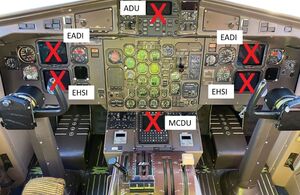
AAIB uvedl případ ATR 42-500 (G-LMRC), při stoupání 14 nm severovýchodně od Aberdeen došlo k výpadku několika palubních displejů (EADI, EHSI a dalších); autopilot se odpojil, klimatizační sady se vypnuly a posádka pocítila krátké zpomalení, které trvalo asi 3 sekundy a poté se systémy vrátily, letoun neobvykle bezpečně přistál na Aberdeen. Podobný výpadek se objevil i na zemi, když velitel vypnul světla. Vyšetřování ukázalo závadu v 1PA kontaktoru, který byl zaseknutý v mezipoloze a nedokázal dodat záložní napájení do nouzové elektrické sítě; příčina současného výpadku nouzové elektrické sítě a DC BUS 2 zůstává nejasná, ale po výměně 1PA kontaktoru, baterie a relé světel pro přistání k dalšímu selhání nedošlo. Výrobce a EASA zavedli opatření k testování a výměně selhávajících 1PA kontaktorů a AAIB vydal bezpečnostní doporučení pokračovat ve vyšetřování možných příčin elektrického selhání vzhledem k riziku při delším výpadku za špatných podmínek (n night/IMC).
Loss of multiple flight deck displays, during climb 14 nm north-east of Aberdeen Airport, 27 August 2022
The ATR 42-500 aircraft (G-LMRC) experienced a loss of multiple flight deck displays during climb from Aberdeen Airport. At FL100 when the co-pilot turned off the landing lights as per normal procedure, both the commander’s and co-pilot’s Electronic Attitude Director Indicators (EADI) and Electronic Horizontal Situation Indicators (EHSI) and two other displays went blank, the autopilot disengaged, the air conditioning packs shut down, and the crew felt a momentary deceleration. The co-pilot quickly turned the landing lights back on. The failure lasted about 3 seconds and then the displays and systems returned. The aircraft returned to Aberdeen and landed uneventfully, but a similar failure occurred on the ground when the commander turned the landing lights off.
Investigations revealed a fault in the 1PA contactor, which was stuck in an intermediate position and unable to supply backup power to the emergency electrical network. This was a contributory factor but not a cause of the loss of power.
Despite extensive testing and examinations, the cause of the simultaneous loss of the emergency electrical network and a loss or undervoltage condition of DC BUS 2 could not be determined. However, no further failures occurred after replacement of the 1PA contactor, battery switch, and landing light relays. The aircraft manufacturer and EASA have taken safety action to require testing and replacement of 1PA contactors that have failed.
Given the potential seriousness of a repeat failure, were it to last for more than 3 seconds and occur at night or in IMC conditions, the AAIB has made a Safety Recommendation to the aircraft manufacturer to continue investigating possible causes of the electrical failure.
Read the report.
https://www.gov.uk/government/news/aaib-report-atr-42-500-g-lmrc