Science training strengthens reporting by journalists from Ghana and Nigeria
Journalists from Ghana and Nigeria completed a UK-funded training programme at Imperial College London to enhance evidence-based science reporting and support policymaking. Funded by the UK government through the Science Granting Councils Initiative, the four-day programme included laboratory visits, expert workshops and media-skills training after a competitive story-pitch process, building on earlier workshops in Abuja and Accra. Participants toured cutting-edge facilities—gene drive research for malaria, AI in pharmaceutical discovery, and sustainable energy—and engaged with bodies such as the Science Media Centre and the Frontier Tech Centre to learn practical frameworks for responsible reporting. The initiative aims to strengthen science journalism, deepen regional collaboration, and boost public trust and evidence-based policymaking in both West Africa and the UK.
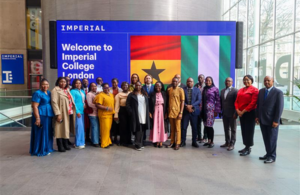
Reporters from Ghana and Nigeria complete UK‑funded training at Imperial College, London to enhance evidence‑based storytelling and support policymaking.
Journalists from Ghana and Nigeria are now better equipped to communicate life‑changing science to millions of people after completing specialist training at one of the world’s leading research universities.
The programme was funded by the UK government through the Science Granting Councils Initiative, as part of its Science, Technology and Innovation strategies with Ghana and Nigeria. Participants were selected through a competitive story‑pitch process and travelled to Imperial College London for four days of laboratory visits, expert workshops and media skills training.
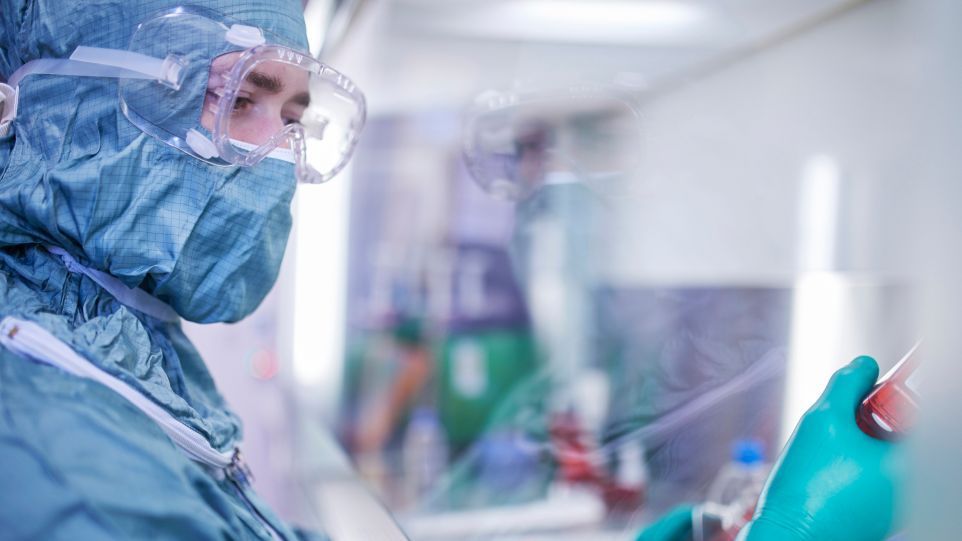
Journalists from Ghana and Nigeria visit research laboratories at Imperial College London as part of a UK‑funded science reporting programme.
During the visit, journalists toured cutting‑edge research facilities working on gene drive technology in malaria research, artificial intelligence in pharmaceutical discovery and sustainable energy. They also visited the Science Media Centre and the UK‑funded Frontier Tech Centre, where they gained practical frameworks for responsible, evidence‑based science reporting.
Earlier workshops in Abuja and Accra gave a wider group of journalist’s foundational science reporting skills. The London cohort builds on this, developing stories rooted in home-country impact.
Nigerian participants engaged directly with biotransformation technology being adopted in Nigeria and met researchers including the 2023 Nigeria Prize for Science winner. Ghanaian journalists met with the academic director of Imperial Global Ghana.
Jamie Proctor, Head of West Africa Research and Innovation Hub (WARIH), FCDO, said:
By investing in the skills of journalists in Ghana and Nigeria, we are supporting more informed public debate, stronger evidence‑based policymaking, and deeper public trust in science. Strong science journalism can translate complex research and innovation into real‑world impact.
This programme reflects the UK’s commitment to long‑term partnerships that strengthen local capacity while fostering closer scientific collaboration between the UK and West Africa. It also demonstrates how UK institutions and expertise can play a catalytic role in supporting high‑quality science communication that benefits both the region and the UK.
Stephen Johns, International Communications Manager at Imperial College London, said:
For a global research university like Imperial, working closely with journalists is vital to telling our story and bringing cutting‑edge science and research to the public — from medical breakthroughs to the realities of climate change and the promise of emerging technologies.
This programme helps strengthen science journalism in Ghana and Nigeria, while also shining a spotlight on the significant contributions of our African researchers and students, and the growing partnerships we have formed across the continent. Through this initiative, we want to build lasting connections that deliver impactful, globally relevant science storytelling to audiences across Ghana and Nigeria.
Aseosa Uwagboe-Anuna, Head of Communications at the British High Commission in Abuja, also added:
By strengthening the skills and knowledge of journalists across Nigeria and Ghana, we are helping ensure that important scientific advances are communicated accurately responsibly and in ways that truly serve the public interest.
We are proud of this initiative that has empowered journalists to tell high‑quality science stories, deepen regional collaboration, and amplify African perspectives on research and innovation.
This programme supports the UK government’s Plan for Change commitment to international partnerships that strengthen evidence-based policymaking and public trust in science, benefits that extend to both West Africa and the UK.
[email protected]
+44 2070083100
Spoločnosť / Organizácia