Stronger protections to help protect threatened wild birds
Britain’s governments unveiled proposals to strengthen protections for threatened wild birds by restricting recreational shooting of species such as woodcock, pintail, goldeneye and pochard, and by prohibiting the shooting of the European white-fronted goose. The measures would extend close seasons, remove several species from Schedule 2 Part 1, and consider adding woodpigeon to enable a breeding-season close season, all with the aim of aiding species recovery and improving animal welfare. The changes form part of wider environmental protection efforts following the 2025 Environmental Improvement Plan and are open to public consultation across Great Britain.
New proposals to restrict recreational shooting of threatened wild birds.
Six of Britain’s wild bird species are set to be better protected under proposals set out by the UK, Scottish and Welsh governments.
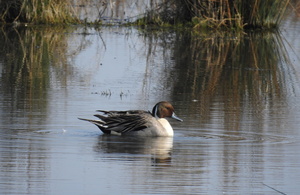
The new rules would restrict the shooting of species including the iconic woodcock, and distinctive pintail, goldeneye and pochard ducks – to ensure they have far greater protection. These species are all classed as under threat and have seen their populations fall sharply in recent years, with some native population numbers now numbering in the hundreds. The proposals include fully prohibiting the recreational shooting of the European white-fronted goose.
The woodcock has captured public imagination for centuries with its distinctive long bill and secretive behaviour and has featured widely in English literature. The pochard, a striking diving duck, is a familiar sight on lakes and reservoirs during winter. The two species can also be seen as a barometer of environmental health, depending on damp woodland habitats and clean, well-vegetated freshwater habitats respectively.
The population of the once common pochard is declining rapidly and the species is now under threat. The UK supports a small breeding population and is an important wintering destination for the birds. The resident British breeding population of woodcock is now Red-listed and is a high conservation priority.
Nature Minister Mary Creagh said:
“The woodcock, pochard, goldeneye, and pintail ducks are all iconic national birds.
“Their rapid decline is deeply concerning and it is our job to ensure they are properly protected for future generations to cherish.
“This government is committed to protecting wildlife and improving animal welfare.”
Scotland Minister for Agriculture and Connectivity Jim Fairlie said:
“Scotland’s wild birds are a treasured part of our natural environment, and these proposals ensure we act on the latest scientific advice to strengthen protections where they’re needed most.
“By updating close seasons and focusing on vulnerable species, we can support their recovery while continuing to work constructively with land managers and conservation partners.”
Wales Deputy First Minister, with responsibility for Climate Change and Rural Affairs, Huw Irranca-Davies said:
“Protecting and restoring Wales’s natural environment is one of this Government’s central priorities.
“The evidence is clear that many of our bird species have experienced significant declines, and we must ensure that our legislation remains fit for purpose.”
Governments are also consulting on adding woodpigeon to the relevant schedule of the Wildlife and Countryside Act 1981, which would allow a close season to be introduced during its breeding period on animal welfare grounds. Woodpigeon, familiar fixtures of the nation’s countryside, are shot in large numbers throughout the year, primarily to manage crop damage.
Additionally, the UK and Scottish governments are considering extending the close season for the common snipe on the grounds of animal welfare, meaning the species can no longer be shot in the breeding season so their chicks are no longer left motherless during this critical period.
These changes would support the recovery of a number of huntable species, including some listed on the International Union for Conservation of Nature Red List of Threatened Species, as well as maintaining high standards of animal welfare.
The move is one of several measures under consideration to step up environmental protection following the Environmental Improvement Plan published in December 2025. The government is making sweeping changes to protect nature and reverse its decline.
Further information, including how to respond to the consultation on, is available via this link.
Additional information:
- This consultation relates to Schedule 2 Part 1 of the Wildlife and Countryside Act 1981, which lists bird species that may be killed or taken outside of their close seasons.
-
The shooting of pochard would no longer be allowed across Great Britain, or goldeneye in England or Wales.
-
The proposed changes under the consultation are: removing pochard from Schedule 2 Part 1 across Great Britain; removing European white-fronted goose and goldeneye from Schedule 2 Part 1 in England and Wales (Scotland has already done this for European white-fronted goose and is proposing to extend the close season for goldeneye); extending the close season for woodcock across Britain and for common snipe in England and Scotland with full removal from Schedule 2 Part 1 in Wales; removing pintail from Schedule 2 Part 1 in England and extending its close season in Scotland and Wales; and adding woodpigeon to Schedule 2 Part 1 to enable introduction of a close season during its breeding period. The Welsh Government is also proposing to remove coot and golden plover from Schedule 2 Part 1 in Wales.
-
The Welsh Government is proposing a ban on snipe shooting in Wales.
-
The IUCN Red List of Threatened Species is the world’s most comprehensive inventory of the global conservation status of plant and animal species.
-
Wildlife management is a devolved matter but this consultation is being conducted jointly across the UK, Scottish and Welsh Governments, reflecting a coordinated approach to wild bird conservation across Great Britain.
- It is an excellent example of collaborative working across the UK, Welsh, and Scottish Governments, aiming to deliver protection for declining species and reducing the burden on stakeholders by avoiding multiple consultations on very similar issues.
https://www.gov.uk/government/news/stronger-protections-to-help-protect-threatened-wild-birds