The UK reiterates its strong support for UNSMIL in advancing an inclusive political process in Libya: UK statement at the UN Security Council
UK reiterates strong support for UNSMIL and the SRSG to advance an inclusive political process in Libya, urging all Libyan actors to participate seriously, constructively, and without delay in the UN-facilitated process, and welcoming the structured dialogue while noting that some stakeholders have not meaningfully engaged. The UK highlights three core elements for lasting peace: meaningful political engagement, the inclusion of civil society (including women, youth, minorities, and persons with disabilities) with safe and predictable conditions, and attention to political security. It points to the costs of inaction—rising living standards pressures, greater climate risk exposure, and an economy operating without a unified budget—and condemns political violence in light of the killing of Saif Al-Islam Al-Gaddafi, while welcoming reconciliation efforts and calm. It concludes that the status quo is unsustainable and urges Libyan actors to prioritize citizens’ interests, implement reforms in the SRSG’s roadmap, and recommit to a credible political process delivering lasting peace.
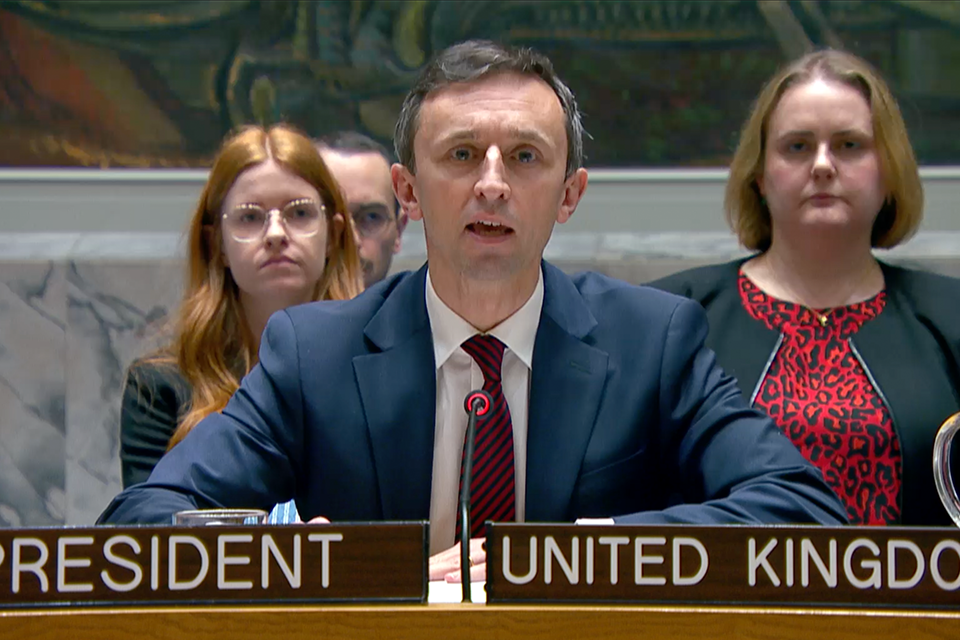
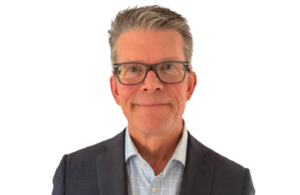
Statement by Ambassador Archie Young, UK Deputy Permanent Representative to the UN, at the UN Security Council meeting on Libya.
Today I will focus on three core elements for lasting peace in Libya. Meaningful engagement in the political process, the inclusion of civil society, and the importance of political security.
First, the United Kingdom reiterates its strong support for UNSMIL and the SRSG in advancing an inclusive political process.
We urge all Libyan actors to participate seriously, constructively, and without delay in the UN-facilitated process.
We welcome the structured dialogue, to give voice to a wide cross-section of Libyan society.
However, we regret that certain Libyan stakeholders have not substantively engaged in the dialogue.
The continued failure of key Libyan stakeholders to engage meaningfully in the political process only heightens the risk of instability.
As we have heard today, including from Mr Albibas, Libyans continue to experience the costs of inaction: falling living standards, increased exposure to climate risks, and an economy struggling without a unified budget.
Second, we commend the efforts of Libya’s civil society in standing-up for the country’s future.
Restoring civic space and ensuring the meaningful inclusion and political participation of women, youth, minorities, and persons with disabilities are critical to the success of Libya’s political transition and its future resilience.
Civil society must be able to carry out its work safely, within a fair and predictable legal framework, and free from threats or arbitrary measures.
Third, in light of the recent killing of Saif Al-Islam Al-Gaddafi.
We underline that political violence has no place in Libya’s future.
Such violence only deepens Libya’s challenges.
We welcome the focus Libyan actors have placed on reconciliation in the aftermath and maintaining calm at a sensitive moment.
To conclude, the status quo is not sustainable.
The Libyan people have waited far too long for unified governance that reflects their aspirations for stability, security, and prosperity.
We urge all Libyan actors to put citizens’ interests first, to engage fully with the reforms outlined in the SRSG’s roadmap, and to recommit to a credible political process capable of delivering a lasting peace that Libyans deserve.